
"Understanding the Role of a Doula: An Interview with Dawn"
From Birth to Beyond: How a Doula Can Help New Parents….
New Mums London recently interviewed an experienced Doula based in Salisbury, Wiltshire to provide valuable insights into the role of a Doula in the UK. Our goal is to inform new parents who are considering hiring a Doula for support during pregnancy, labour, and the postpartum period.
We began our discussion by asking Dawn general questions about what a Doula is and the services they provide. We then, we delved deeper with more specific questions about her personal experiences and approach as a Doula.

General questions about Doula services
What is a Doula?
A Doula is a professional birth partner who provides support and encouragement to parents, helping them gain the confidence needed to navigate their journey. Doulas may assist a mother during the birth itself or afterwards with bonding between the parents and the baby. Dawn mentioned, postnatal Doulas are like experienced mother’s help who work alongside the parents’ offering guidance, confidence, and empowerment.
For a birth Doula, they are typically booked from two weeks before the due date and remain available for one month, or until the baby arrives, staying nearby and 'on call' while maintaining good communication with parents and ready to start for when the mum goes into labour. Some Doula's also support parents who require a C-section, although the 'on call' period is shorter, as the date is often booked, the parents receive the same support either side of the birth, so often the price is the same.
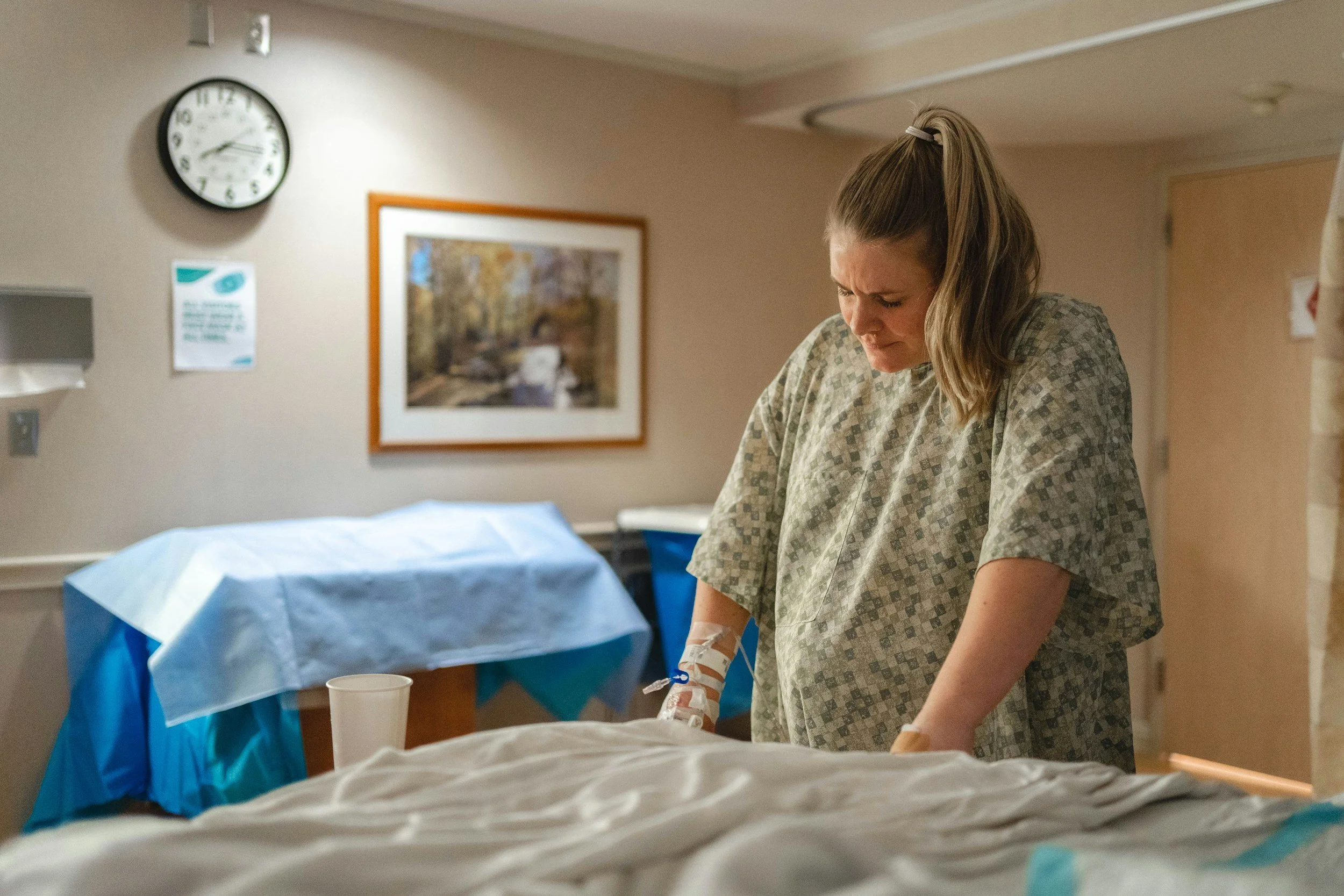
However, Dawn also stated that some parents may prefer to book antenatal support, but not for the actual birth itself. There is no one fit, each family and doula work together depending on the situation and their needs. During a birth, the doula will support physically with massage, suggesting different birthing positions, preparing the birth environment, holding a hand, mopping their brow, providing drinks/snacks. They also support emotionally with reassurance, affirmation and confidence. Another important role is helping communicate the families wishes between the labouring woman and the medical staff present or explaining any important medical information to families in a calm, concise way.
The Doula works as a team member with the parents and the medical staff, but never offering medical advice or care. Doula also provides support after birth as a postnatal Doula, who typically Live Out to help parents adjust to their new roles and offer emotional support, ensuring they feel in control.
1. What formal training or certifications do you need to be considered a qualified doula?
There are no legal requirements for becoming a Doula, but it is recommended to complete a recognised Doula training course, which usually lasts up to a week. Depending on which type of work they offer, a Doula must receive separate mentoring for both birth and postnatal support. A Doula will also ideally have an enhanced DBS, Paediatric First Aid and insurance.
2. What specific services do Doulas offer during pregnancy, labour, and postpartum?
Each doula offers a slightly different package for a birth, but most provide at least two initial visits during pregnancy to build rapport and understand the family's dynamics, as well as helping them shape their birth plan, with evidence-based information and guidance. Some families may not need immediate support on the day of birth, or whilst in the hospital, or even immediately after being at home. some families choose to have Doula support once partners return to work, others on day one back home, every family is different, so the role also varies from family to family.
Postnatal Doula services may include; feeding support, emotional support, baby care, providing guidance on baby-wearing, ensuring the mother's well-being through cooking, washing and tidying, caring for the baby while the family sleep, assisting with older siblings, and some doulas offer support during the night so the family can sleep between feeds or through the night for bottle fed babies, all while respecting the family’s preferences and instructions.
3. Do Doulas provide any postpartum support, such as newborn care or assistance with breastfeeding?
Yes, Doulas offer guidance and support in newborn care and breastfeeding. Some may just have basic knowledge and may collaborate with lactation consultants or refer families to colleagues for more specialised needs, such as tongue tie issues etc. All support is given without judgement and is evidence based.
4. What are the market rates for a Doula?
Doulas are generally self-employed, some offer antenatal, birth and postnatal support, others choose to specialise in one area. As they are self-employed, they do offer different packages, especially for birth support, however postnatal is often charged by the hour or in a block of hours. Postnatal Doulas live out with rates typically starting at £20 per hour plus, depending on experience, qualifications and expertise.
5. Do Doulas provide contracts and require a deposit?
Yes, Doulas provide a contract and often require a deposit to confirm the booking.
6. How long is the usual contract for Doula services? Is it typically short-term?
Contracts are often open ended as difficult to confirm in advance how long they will be needed. However, a postnatal Doula will usually stay with a family for 6 to 8 weeks, or up to 6 months.

A bit more about Dawn: Her journey began after the birth of her first child in 2013, when she experienced firsthand how limited support can be for new parents, especially in rural areas. Dawn started running groups for new families, listening to their stories, and she began recognising just how vital compassionate, informed support is. Wanting to do more, she completed a foundation degree to provide antenatal and breastfeeding education with NCT, followed by doula training with Nurturing Birth. Dawn hasn’t looked back since, adding many more skills, qualifications, and years of experience.
Questions we asked Dawn as a professional Doula:
1. What are the typical duties of a Doula within a family?
Dawn mentioned that her last booking was with a mum having her second child, and below is a list of duties she performed for that specific family:
- Sat with the mum to discuss her feelings about the birth.
- Assisted with feeding the baby.
- Engaged with the older sibling.
- Ensured the mum stayed hydrated and comfortable by bringing plenty of water, tea, etc.
- Provided emotional support without judgment.
- Helped with practical tasks like sterilising bottles.
- Changed the baby’s nappies.
- Assisted with the baby’s bath time.
- Walked the dog to the park.
- Accompanied the mother and baby to doctor appointments and park.
- Offered reassurance when mum felt overwhelmed.
- Actively listened to the mum about her feelings and emotions.
2. How do you communicate with families before the booking starts?
Communication typically begins via email, followed by a discovery call to establish a connection. In-person meetings are important for assessing compatibility and understanding the family's style.
3. How would you describe your approach to supporting families during labour and postpartum?
Dawn’s approach as a doula is gentle, employing active listening, a proactive attitude, and a non-judgmental stance.
4. Do you believe it is important to match a Doula with a family regarding parenting styles and personality traits?
Yes, Dawn stated that it is crucial for Doulas to match well with families, as this is a very private role, and they need to feel comfortable with each other.
5. How many years of experience do you believe a doula should have to be considered experienced?
The level of experience required can vary based on prior relevant roles. Factors include whether they have been a baby nanny before, worked in breastfeeding support, or hypnobirthing, and the number of births they have attended.
It was so interesting speaking with Dawn, and we hope that this will help many families understand the role of a Doula in the UK. The role of a Doula is certainly well-rounded, as they work as a team with mums. A Doula does not operate independently, taking over full-time care of the baby, rather, it is a collaborative effort in which they provide the right tools to empower families, giving them the confidence and guidance to navigate their journey. Thank you so much, Dawn, for the insights you provided to New Mums London and all our readers.
Dawn Gilbert
Doula | Hypnotherapist | Trainee Counsellor